Article
Andy Burnham as PM: CGT, inheritance tax and your wealth
What Andy Burnham’s tax signals could mean for CGT, inheritance tax and private wealth. Practical insights for business owners.

By: Abigail Agopian
21 Jul 2026 7 min read
During his time as leader-in-waiting, Andy Burnham has been careful not to make extensive commitments on tax policy, including not ruling out any new tax rises.
That caution is unsurprising given his room for manoeuvre has already been constrained by Labour’s 2024 manifesto pledges, which he has confirmed he will honour. This includes commitments to not increase the rates of income tax, VAT or National Insurance for the remainder of this Parliament.
One tax commitment has, however, stood out. In his speech on 29 June 2026 setting out his economic vision for the UK, Burnham pledged to reform business rates to support pubs and high streets. While details remain limited, the reforms are expected to be funded by shifting a greater share of the burden onto warehouses and out-of-town developments, building on changes that came into effect in April 2026.
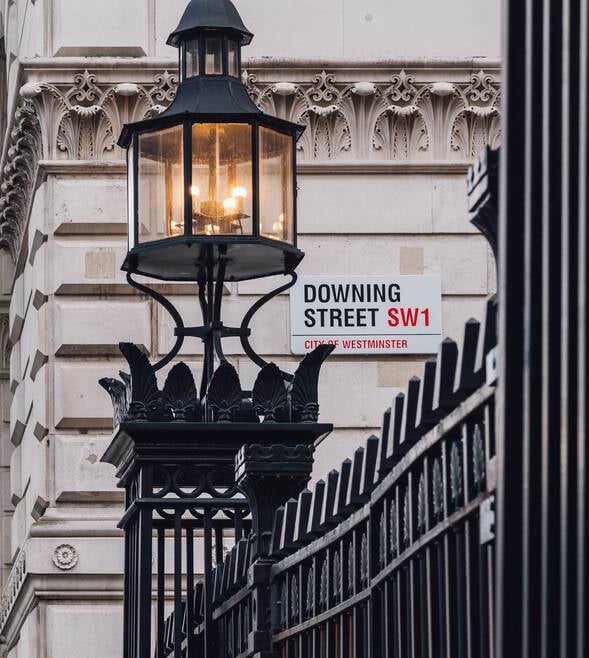
Beyond business rates, his first major speech as leader-in-waiting focused on growth, devolution, re-industrialisation and a 10-year mission to improve living standards. It said little on tax specifics. These themes carried forward as he entered Downing Street with the promise of a new political and economic model. The detail of what that means is yet to come, with a commitment to set out a new 10-year plan for Britain later in the year.
In his first major policy announcement as prime minister, Burnham has moved to address the cost of living by removing VAT from domestic electricity bills from 1 October. This will also apply to non-VAT registered small businesses, charities and residential care homes that qualify for the reliefs. Beyond this immediate step, the announcement is notably careful to signal fiscal discipline: any further action, including funding for longer-term measures, will wait until the Budget and will come with an OBR forecast, be fully funded, and sit within the government's fiscal rules.
Burnham has indicated that he'll draw on the flexibility those rules allow – most likely the ability to borrow for investment – but with the fiscal position already tight, that flexibility is limited by the fiscal mandate that day-to-day spending is met by revenues by 2029/30. This raises the question of what that means for the rest of his agenda and whether there will need to be further tax rises to fund his policy priorities.
Burnham is expected to avoid any additional early tax commitments, meaning further tax policy announcements are expected at the Budget. That Budget is expected in the autumn, though the exact timing is still open. Recent speculation points to October, but it's unlikely to fall before 7 October, when the main party conference season wraps up with the Conservative conference. Given the scale of the task ahead, November may be preferred to allow more time.
Burnham’s commitment to honouring the manifesto tax pledges leaves this new government with a similar balancing act to the last. Levers to pull remain limited, given the government’s existing fiscal rules and a tight fiscal position. The conflict in the Middle East and new defence spending commitments are both expected to squeeze the £22 billion of fiscal headroom the government had last autumn.
Speaking on 15 July, Burnham was open about the difficult decisions ahead, and that this might at some point mean having to ask people for a bit more. He indicated he’ll take his time to properly assess the state of the public finances before making decisions.
Burnham’s choice of Chancellor, John Healey, tells us little more. As the former defence minister, he has not held an economic brief in years. That said, he does have some Treasury experience, having held junior ministerial roles there during New Labour, between 2002 and 2007.
The direction of tax policy under a new Burnham government remains uncertain. However, a consistent theme in Burnham’s public commentary has been the view that the UK places a heavier tax burden on work than on wealth, implying that he may be open to revisiting capital gains tax rates, though whether this is revisited remains to be seen. Burnham has also been a vocal supporter of a Land Value Tax and inheritance tax reform. Billy Chiverton explores what these changes could mean for business owners and private wealth in this insight article.
While much of the press attention has been on Burnham’s commitment to the core tax pledges in the Labour 2024 Manifesto which impact individuals, the manifesto also promises a corporation tax cap of 25%. This sits alongside a commitment to a permanent full-expensing regime for capital investment and the annual investment allowance. These pledges run until the end of the Parliament, summer 2029 at the latest. However, an earlier election could, in principle, give Burnham room to revisit them before then.
A key tax policy priority for the Starmer government has been reducing the tax gap, with ambitious plans to raise an additional £10 billion in revenue annually by 2029/30. The government has directed significant investment towards HMRC as part of a broader transformation programme, accelerating its use of digital tools, real‑time data and targeted interventions to close the tax gap.
At the same time, businesses are facing a growing compliance burden: from more complex enquiries to heightened expectations around governance, controls and reporting. Speaking to the Financial Times, Exchequer Secretary to the Treasury Dan Tomlinson indicated that he does not expect the core elements of HMRC’s transformation agenda to change under a new government. As a result, strong tax governance frameworks are expected to remain as essential as ever for businesses seeking to manage risk and meet evolving compliance expectations.
Tax policy may have had a relatively quiet start to 2026, due in part to the government scaling back the usual spring fiscal event to an economic forecast. However, activity accelerated considerably in late June. On 23 June 2026, the government used its Tax Update event to announce a package of measures aimed at improving the operation of the UK tax and customs system. This was followed shortly afterwards by Legislation Day on 13 July 2026, when a substantial suite of draft tax legislation was published for technical consultation. While these proposals give a clear indication of the previous government’s direction of travel, the new chancellor will ultimately decide which measures to take forward in the next Finance Bill.
Buried in the detail of these bumper packages, businesses should take note of several early-stage consultations that highlight areas of the UK’s tax landscape where the government is considering reform, including:
The new Burnham government has entered office with bold commitments to drive economic growth, devolution and improving living standards, while maintaining fiscal responsibility.
The upcoming Autumn Budget will be a pivotal moment in understanding how the new government will deliver these bold ambitions and the direction of the UK tax landscape. We’ll explore in greater detail what it could bring as we head towards the Budget and share our insights on the day itself. This period presents a valuable opportunity for businesses to assess their tax position and consider how potential reform could impact them.
For tailored advice or to discuss how possible changes may affect you or your business, please get in touch.


What Andy Burnham’s tax signals could mean for CGT, inheritance tax and private wealth. Practical insights for business owners.