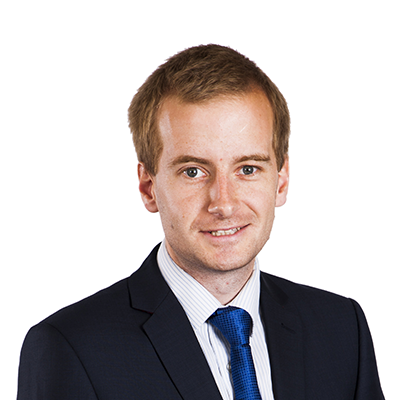
I'm a director in our forensic and investigation services team, specialising in international investigations. I have experience investigating fraud, financial misstatement, bribery and corruption, and other forms of misconduct.
I also conduct proactive reviews of fraud risk-management and whistleblowing frameworks. I love helping clients with complex and urgent problems, and understanding the drivers of the human behaviours under investigation. I have extensive experience of whistleblower-led investigations, and I have seen first-hand the positive impact that building an effective speak-up culture can have on organisations.
A sample of my recent experience includes:
- completing a two-year secondment, managing the whistleblowing framework of a large infrastructure project in the Middle East
- investigating a systemic fraud perpetrated against a government-run pensions system, involving the misappropriation of millions of Euro
- investigating a multifaceted accounting issue in Thailand
- investigating allegations of fraud and financial manipulation for a large UK listed automotive company.
Outside of work I can often be found running or volunteering at my local parkrun, and I'm captain of the firm’s Great City Race 5k team.
Qualifications
- BSc (Hons) Economics
- FCA (Fellow of the ICAEW)
- CFE (Certified Fraud Examiner)