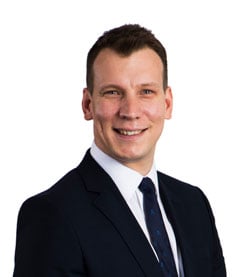
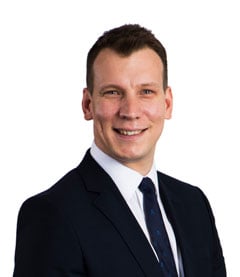
I am a partner in our forensic and investigation services practice and lead of our global forensic practice. I have a particular focus on aiding companies facing urgent, complex, cross-border issues including fraud, bribery and corruption, misconduct and asset recovery. I have extensive experience investigating high-profile public interest matters representing governments, public companies and private individuals throughout Europe, Africa, Asia and South America.
I am regularly named in Who’s Who Legal’s asset recovery, forensic accountants and consulting experts lists, where I am described by clients as “an eloquent and very innovative practitioner”, who is “extremely pragmatic and commercial in how he presents his advice” and “a great investigator who works extremely hard for his clients”.
A sample of my recent engagements include:
- assisted the independent review of Boohoo plc’s supply chain in response to media allegations raised surrounding supplier relationships
- investigated allegations of fraud and financial manipulation for a large UK listed automotive company
- appointed expert investigator by a UK regulator to assess the actions of the management of a high street retailer following its collapse
- investigated a systemic fraud perpetrated against a government-run pensions system, involving the misappropriation of millions of Euro
- lead investigations into the management and operations of an international sports federation following the suspension of the association’s long-term president
- performed investigations into allegations of bribery and corruption at several state-owned enterprises on behalf of a government
- investigated conflicts of interest between the senior management of a Middle East-based petrochemicals company and a number of its close suppliers following the reduction in profitability of major projects.
Away from the office, I am a keen sports fan and enthusiastic (if unskilled) golfer.

Qualifications
- BSc (Hons), Statistics
- CFE (Certified Fraud Examiner)
- FCA (Fellow of the ICAEW)