Navigating the labyrinth: the evolving role of the General Counsel

By: Vijay Rathour
19 May 2026 5 min read

The unpredictable horizon: identifying and anticipating threats
A striking theme from discussions with GCs is the inherent unpredictability of crisis. As one experienced GC put it at a recent panel event: “Crisis and left of field events can and will take any and every shape.”
No amount of foresight can prepare an organisation for every conceivable scenario. However, the crucial differentiator lies in attitude: the mindset brought into the room and the willingness to embrace "unknown unknowns" sets the tone for an organisation's ability to respond effectively.
This need for proactive vigilance is further heightened by the current threat landscape for UK organisations. Cyber threats, business interruption, and the growing implications of Artificial Intelligence consistently rank among the top risks. Each of these demands not just legal expertise but also a deep understanding of commercial considerations, operational vulnerabilities, technological advancements and ethical considerations. The GC must possess a broad strategic vision, capable of identifying potential pitfalls long before they materialise into full-blown crises.
Beyond the law: the GC as a moral and commercial compass
The modern GC's influence extends far beyond mere legal compliance. They are instrumental in setting both the moral and commercial tone of an organisation. This dual responsibility requires a unique blend of legal acumen, business savvy, and unwavering integrity. In an age where corporate reputation can be shattered in an instant, the GC acts as the guardian of ethical standards, ensuring that decisions are not only legally sound but also align with the company's values and wider expectations from society.
This is particularly evident in moments of crisis. While commercial pressures can often push for rapid, potentially short-sighted solutions, the GC stands at the frontier, ensuring that ethical considerations are not sacrificed for expediency. They are the voice of long-term sustainability, reminding leadership that a company's success is ultimately tied to its integrity.
From resilience to response: training for the inevitable
The idea of "going from resilience to response" is also a central theme. While complete preparedness for every crisis is an impossible dream, organisations can and must train for the inevitable. Crisis simulations and "war games" are invaluable tools, allowing teams to practice their responses to hypothetical scenarios, whether a major cyber-attack, a hostile takeover bid or a regulatory investigation. These exercises not only test the robustness of existing plans but also help identify weaknesses and areas for improvement, ultimately making D-Day less chaotic, ideally just another Day.
Discussions with leading counsel emphasise that preparing for crisis isn’t just about processes and protocols – it's profoundly human. In the throes of a crisis exhaustion will set in, staff will be stretched, and "business as usual" will go out of the window. A truly effective crisis response acknowledges and prepares for these human elements. Leaders must encourage breaks, structure their response to allow for focused management rather than constant micromanagement and empower colleagues with the tools and information needed to act calmly and considerately. The human element, often overlooked, is a critical component of successful crisis navigation and stakeholder management.
Culture vs. Strategy: the GC's role in navigating "unknown unknowns"
When faced with "unknown unknowns" the tension between organisational culture and strategic response becomes apparent. A culture that prioritises speed above all else might lead to rushed decisions with unintended consequences. This is where the GC's inherent character, deeply steeped in ethical, moral and regulatory standards, becomes invaluable. They provide the necessary counterbalance, ensuring that good governance prevails over the instinctive urge to act quickly and deal with consequences later.
The GC's capacity to challenge and direct fast-moving situations, to insist on a balance between centralised control and delegated authority, is crucial. This doesn't mean slowing down the response but instead means curating a posture that is considered, compliant and, ultimately, sustainable. Their guidance helps organisations navigate the delicate balance between rapid action and thoughtful decision-making, ensuring that the company emerges from a crisis with its reputation and integrity intact.
Embracing the "Gift": learning and iterating post-crisis
Finally, a powerful message resonates "take the punch as a gift! - or, as Winston Churchill famously put it, "never waste a good crisis”. Once the immediate storm has passed, organisations have a unique opportunity to reflect, learn and iterate. What worked well? What fell short? This post-crisis analysis is not about assigning blame but about identifying systemic improvements that can turn a debilitating event into a catalyst for growth and enhanced resilience.
The GC plays a vital role in this reflection process, leading the legal and ethical review, ensuring that lessons learned are codified into future strategies, and advocating for necessary changes to policies, procedures, and training. This commitment to continuous improvement ensures that each crisis, however challenging, contributes to the organisation's long-term strength and adaptability.
The role of General Counsel in the UK is a dynamic and demanding one. It requires not only deep legal expertise but also strategic vision, ethical fortitude, and exceptional leadership qualities. As businesses confront an increasingly complex and unpredictable world, the GC stands as an indispensable guide, helping organisations not just survive, but thrive, through constant change.
For further insights and support
Visit our dedicated Hub for General Counsel and In-house Lawyers
Authors
-
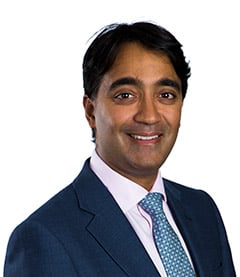
Vijay Rathour
I am a partner and head of cyber and digital investigations within the insolvency, forensic and restructuring group. My main focuses include cyber response services globally, bribery, corruption, competition law infringement, complex fraud investigations, data governance.View Profile