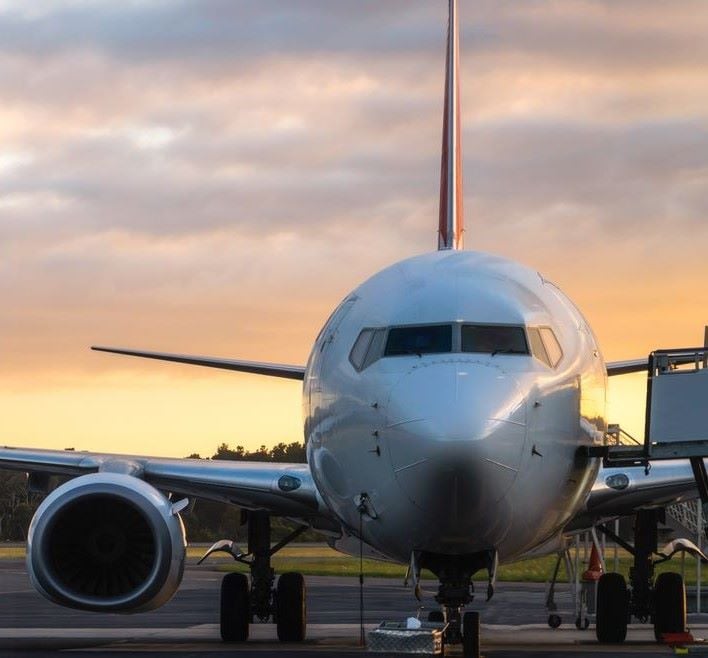
The impact of the war in the Middle East on the aviation sector has been immediate, with jet-fuel cost increases, low fuel stocks, airspace closures and rerouting triggering significant operational, financial and strategic challenges across the sector.
From an airline management perspective, these effects are not abstract. They manifest quickly through higher cash fuel uplift costs, network inefficiencies, load‑factor dilution and pressure on liquidity metrics monitored by lenders and lessors. In many cases, the operational response is constrained by fleet availability, crew duty limits and pre‑existing balance‑sheet fragility coming out of the post‑pandemic recovery phase.
Escalating jet fuel costs impacting margins
The effective closure of the Strait of Hormuz, through which approximately a quarter of global oil and jet fuel supply typically flows, has driven a sharp escalation in jet fuel prices. Crude oil prices rose by more than 60% in March 2026, with jet fuel prices doubling within weeks. For an industry where fuel can represent 20–30% of operating costs, higher jet fuel prices have a direct and immediate impact on profitability. Approximately 1,100 flights per day have been forced to reroute due to airspace closures, with an additional 600 tonnes of fuel being burned daily.
As fuel is traded in US dollars, airlines earning revenues in currencies that have weakened against the dollar face dual pressure, further inflating effective fuel costs.
For airline treasury teams, this creates both an earnings and liquidity challenge. Fuel price increases flow immediately through cash outflows, while the accounting recognition of hedges can lag, creating short‑term volatility in reported margins. Airlines funding fuel purchases in US dollars but generating revenues in weakening local currencies are particularly exposed, as FX movements can amplify the effective cost of fuel beyond headline price rises.
At the time of writing, jet fuel prices have eased from peak levels but are still close to double the pre-conflict pricing. Long lasting repercussions are expected with market analysts believing that even if the war ended now and the strait was reopened, jet fuel prices would remain high for up to a year.
Even temporary spikes have lasting consequences for airlines, as schedules, pricing strategies and capacity deployment decisions are typically locked in months in advance, limiting the ability to recover cost inflation in the near term.
Airlines are reassessing schedules, reducing marginal routes and preparing for sustained pressure on margins. Carriers with thin margins, weaker balance sheets and greater reliance on fuel from the Gulf will be most vulnerable and have limited capacity to absorb a prolonged increase in operating costs.
Fuel hedging strategies are not a panacea
Airlines may utilise fuel hedging strategies to reduce their exposure to fuel price volatility - although there is significant variation between carriers in their hedging strategies and coverage levels.
For example, most US carriers stopped fuel hedging in recent years and are therefore more susceptible to price increases. IAG Group have reported being well-covered with hedged fuel accounting for the majority of their needs in 2026. In contrast, SAS has confirmed it has none of its expected fuel consumption for the rest of 2026 hedged.
Reuters analysis highlights that even well‑hedged airlines remain exposed where jet fuel spreads have widened significantly relative to crude prices. Hedging is based on the price of crude oil rather than jet fuel, so while hedging can provide some protection, it does not protect against the jet fuel price in totality.
Additionally, margin calls on derivative positions can place strain on near‑term liquidity, even where hedges ultimately prove effective over the life of the contracts. As a result, hedging can mitigate earnings volatility but does not eliminate balance‑sheet or cash‑flow risk.
Impact on passenger demand
Airlines are increasing air fares or adding fuel surcharges to reduce the impact of higher operating costs on their margins. Research from Oxford Economics, predicts that a two-month conflict would translate into a 5-10% increase in base air fares. The longer the conflict continues, the greater the likely impact on fares.
But airlines will be cognisant that their consumers are also feeling the impact of rising energy prices and need to strike a balance between passing on costs with weakening demand and price sensitivity. More generally, less favourable macroeconomic conditions, including higher inflation and rising mortgage costs are expected to soften air passenger demand, but industry forecasts still expect a growth in global air passenger demand this year outside of the Middle East.
Notably, the impact on demand is being unevenly redistributed. Some European carriers have benefited in the short term as passengers seek alternative routings that avoid disrupted hubs. Strategic questions are also emerging, including whether Gulf carriers may seek to regain market share once airspace constraints ease, and how other carriers should respond to any future aggressive pricing tactics.
Structural pressures beyond the conflict
The additional challenges created by the current conflict are compounding pressures already facing the aviation sector:
Supply chain constraints: Ongoing aircraft delivery delays across both Airbus and Boeing programmes continue to limit fleet renewal, restricting airlines’ ability to deploy more fuel‑efficient aircraft precisely when fuel economics matter most.
Rising maintenance costs: Engine overhauls and limited life part (LLP) replacement costs have been increasing at double-digit rates annually, alongside ongoing spare parts shortages. This raises important questions around whether rising maintenance costs offset the fuel efficiency gains, even in the current high fuel-cost environment.
Imbalance in the aircraft leasing market: Lease rates and asset values remain well above long‑term norms due to a sustained supply‑demand mismatch. This dynamic is particularly acute in the wide‑body market, due to long‑haul demand remaining strong. With no correction expected in the near future, lease rates are expected to remain elevated. Airlines are unable to secure new aircraft and forced to rely on mid-life, less efficient assets, making them even more exposed to high fuel costs.
In practice, airlines are increasingly forced to weigh higher lease rentals on new‑technology aircraft against the fuel and maintenance economics of extending mid‑life fleets. In some cases, elevated lease rates more than offset theoretical fuel efficiency gains, particularly when combined with rising engine shop‑visit and LLP costs. This is reshaping fleet‑planning and capital‑allocation decisions across the sector.
The economics of aircraft leasing is changing significantly, and airlines are having to adjust to a new pricing/cost environment.
Workforce shortages: Persistent shortages of pilots, engineers and air traffic controllers continue to reduce operational flexibility, increasing the cost and complexity of schedule disruption.
Rising cost of finance: With higher energy costs contributing to an inflationary environment, central banks may raise base rates which would translate to higher borrowing costs for airlines, making debt more expensive to service. This heightens the need for airlines to carefully manage liquidity and ensure they retain sufficient capacity to meet ongoing debt obligations.
Cyber security: Risks continue to rise, with aviation systems increasingly targeted amid geopolitical tensions, adding another layer of operational risk for management teams already under pressure.
Environmental considerations: The re-routing of flights due to both the Middle East and Ukraine conflicts is estimated to lead to an additional 206,000 kms flown every day, leading to an additional 602 tons of fuel burns and more than 1,900 excess tons of CO2 emissions. Airlines who utilise sustainability linked finance, where the cost of financing is linked to the borrower achieving sustainability performance targets, may also see an impact on their cost of finance.
Widening disparities across the sector
Airlines will vary widely in their ability to absorb and mitigate the current high operating costs and disruption facing their business. Carriers with strong liquidity positions, diversified fuel sourcing and robust hedging programmes will be better placed to absorb shocks and weather the current uncertainty.
By contrast, airlines with thin margins, weaker balance sheets and higher exposure to Middle East fuel supply chains face disproportionate stress.
The current crisis is likely to widening disparities between airlines and accelerate structural change a across the sector. Stronger airlines may consolidate market share, while weaker players may face difficult conversations around refinancing or need to consider financial or operational restructuring.
What should airlines do now?
For airline boards and executive teams, the current environment demands early, decisive action rather than reactive cost management.
Carriers need to take a disciplined, forward‑looking response to manage the uncertainties ahead:
Robust financial forecasting: This is crucial and should include sensitivity analyses, with management teams stress‑testing liquidity, covenant headroom and debt service capacity against a range of scenarios covering prolonged fuel price volatility, weaker demand and higher interest rates.
Proactive stakeholder management: Ensuring clear, consistent communication with lenders, lessors, investors and employees and regulators as uncertainty continues, to demonstrate that risks are being actively identified and managed.
Options analysis: To identify and evaluate mitigating actions– for example, operational adjustments, cost and capex deferrals, revisions to fleet or hedging strategies, or more formal refinancing and restructuring solutions – allowing informed decisions to be made as early as possible.
This may also include early engagement with lessors on lease restructures or power‑by‑the‑hour arrangements, as well as reassessing long‑term fleet and network strategies under revised fuel and financing assumptions.
Authors
-

David Pike
I lead Grant Thornton’s London Turnaround & Restructuring practice and have over 25 years of experience in advising boards and stakeholders.View Profile -

Andy Charters
I am a restructuring partner with over 12 years’ restructuring and insolvency experience.View Profile -

Tim O'Connell
Tim joined Grant Thornton in 2016 and leads our Aviation Advisory team and became Partner in 2020. He has both domestic and international experience working with the worlds largest aircraft leasing companies and airlines.View Profile -

Nicholas O'Dwyer
Nick joined Grant Thornton in 2013 and was admitted to the Partnership in 2018. As a Partner within our Advisory team he has a dedicated focus on the service lines of Financial Services Consulting and Restructuring & Recovery as well as contributing his knowledge and experience to the other service lines.View Profile -

Ashish Chhawchharia
Ashish leads the Restructuring practice for Grant Thornton in India. He is an FCA and an Insolvency Professional registered with the IBBI. He is experienced across multiple industries, including banking and capital markets, aviation, metals & mining, power, textiles; healthcare and real estate. He is a member of INSOL International and INSOL India and sits on or chairs various Chamber committees on stressed assets resolution including FICCI, ASSOCHAM and Indian Chamber of Commerce.View Profile -

Jer Moore
Jer joined Grant Thornton in 2018 and brings considerable Aircraft Leasing industry expertise and experience to the Aviation Advisory team.View Profile -

Colm Dolan
Colm is Registered Insolvency Practitioner advising lenders, investors and boards on complex domestic and cross‑border distressed situations, with particular experience across financial services, renewables, trading and asset‑backed structures.View Profile